
“Or do you not know that your body is a temple of the Holy Spirit within you, whom you have from God? You are not your own, for you were bought with a price. So glorify God in your body.”
1 Corinthians 6:19–20A lot of the time, when someone thinks of the word steward or stewardship, money is one of the first things to come to mind. We speak faithfully regarding managing our money, our possessions, our time, and even our spiritual gifts, but there's one thing that God has entrusted us with that we often overlook: our own bodies.
In a world that swings back and forth between idolizing the body and neglecting it altogether, Scripture calls us to a better way. The Christian neither worships the body nor despises it. We oikonomia it. Oikonomia is the Greek word for household management, or stewardship.
This distinction matters more than we realize.
Our bodies are not our identities, no matter how much the world may make it seem like they are. They are not our greatest achievement, nor our greatest shame. Our bodies are a gift from the Creator, the Sustainer, the Lord of lords, and the King of kings.

This word, oikonomia, is one that kept standing out to me at the beginning of the year. And it holds a big part of my goals for this year. You see, I am a 38-year-old plus-size female. I have struggled with my weight for years and have tried getting "healthy," but something this year, when that word stewardship kept popping up over and over, clicked in my head.
The truth is that my body is not my own. It has been given to me as a gift from the Creator, purchased by Christ, indwelt by the Holy Spirit, and intended to be used for God's glory.
“This truth changes everything.”
Everything belongs to Him — including us. "The earth is the Lord's and the fullness thereof" (Psalm 24:1). When we truly understand that our bodies belong to God, we stop asking, "What do I want?" and start asking, "Lord, how can I honor You with what You have entrusted to me?" Something I am still working on, to be honest.
This question reaches far beyond the number on the scale. It touches what we eat, how we rest, whether we exercise, how we react to stress, whether we seek medical care when needed, and whether we continually push ourselves beyond the limits God has designed us to have.
Two Ditches on the Same Road
We tend to fall into two categories. One group becomes consumed with appearance, making fitness and health into an idol. Calories become our religion, while the mirror and selfies become a measure of worth.
The other group, where I myself have fallen more often than I'd like to admit, quietly neglects the body altogether. We excuse unhealthy habits, ignore warning signs, refuse rest, survive on convenience, and tell ourselves that because "God looks at the heart," the body doesn't matter.
Neither of these reflects biblical oikonomia.

Throughout Scripture, God demonstrates concern for both the spiritual and physical needs of His people. Jesus fed hungry crowds, healed broken bodies, rested from labor, slept during storms, and withdrew to quiet places to pray.
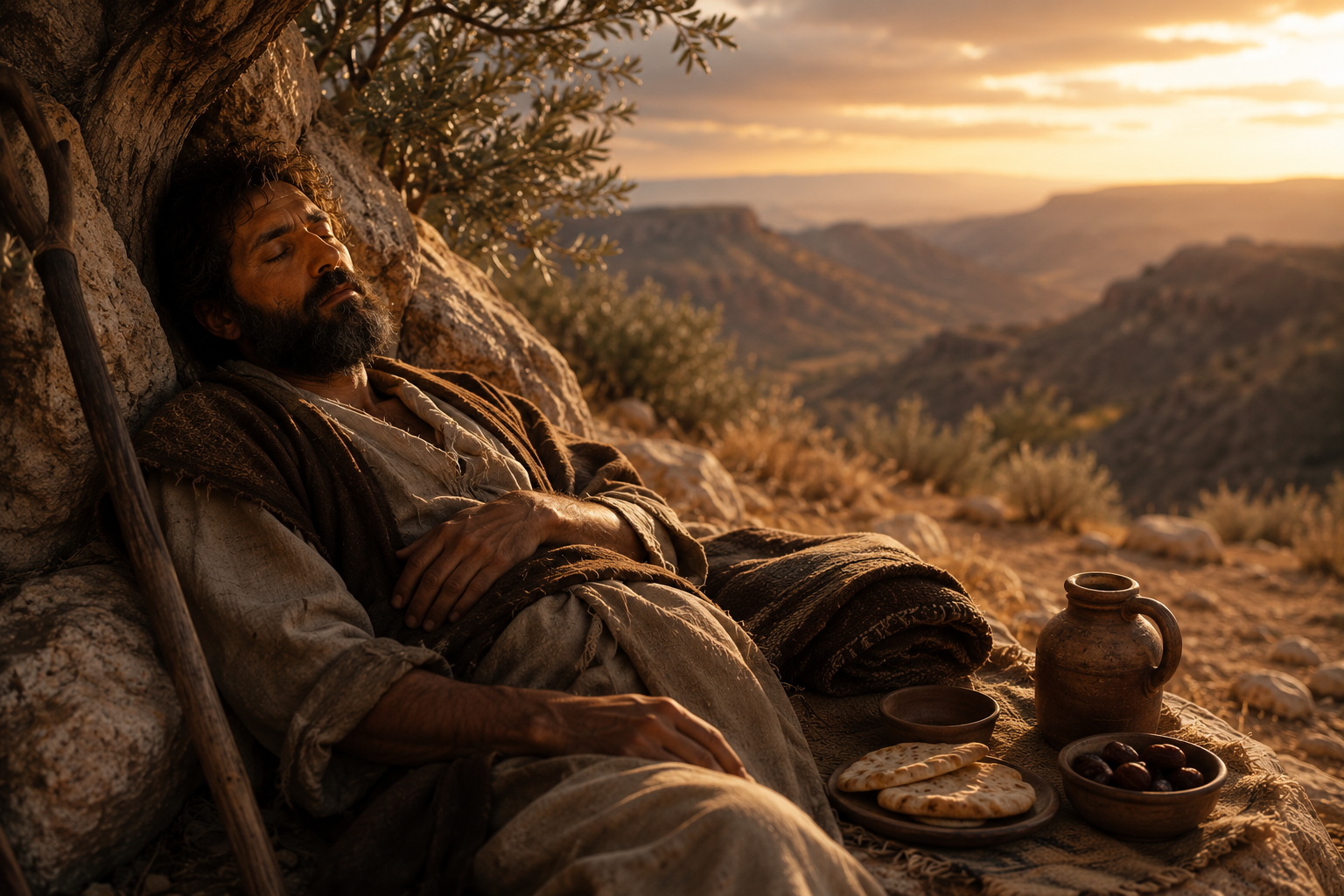
Elijah, after one of the greatest spiritual victories recorded in Scripture, didn't first receive a sermon. God gave him food, water, and sleep (1 Kings 19). Sometimes the most spiritual thing we can do is care for the body God has given us.
Our Hope Was Never in Perfect Health
Now, this doesn't mean our goal is perfect health. The healthiest person you know will eventually die. It's inevitable. But our hope has never been in extending our earthly lives forever. Our hope is in the resurrection of Christ and the promise that one day these weak, failing bodies will be raised imperishable.
But… until that day comes, we have work to do, a responsibility to steward these bodies.
In order to do the work that we have been commanded to do by Jesus Christ, we must use the instrument of our body to do so. To love our spouses, serve our churches, disciple our children, encourage our neighbors, share the gospel, and care for those in need, our bodies have to be able to do these things.
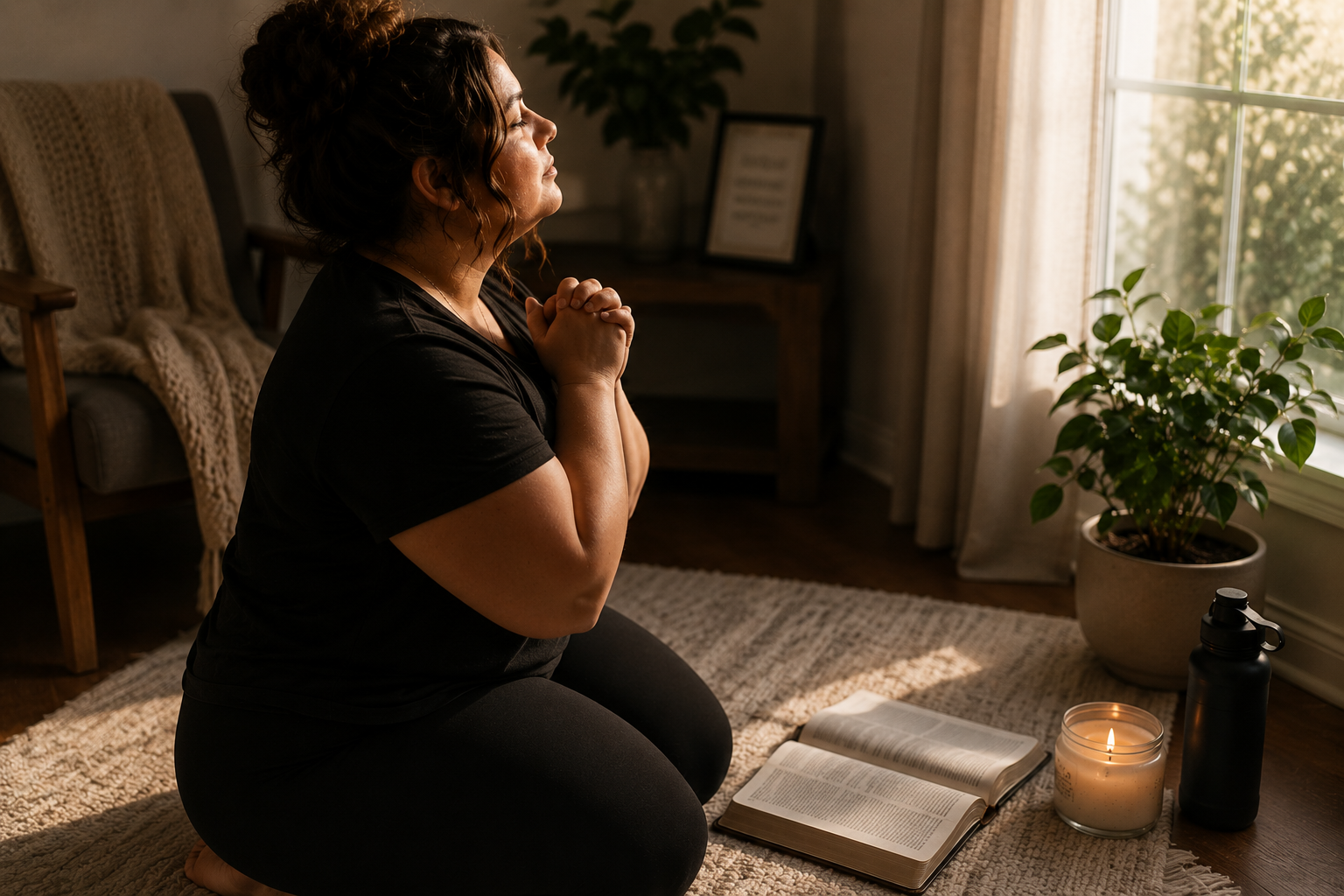
If we are poor stewards of the body given to us, and chronic exhaustion, preventable illness, or years of neglect make these things increasingly difficult, stewardship invites us to ask honest questions — not out of guilt or shame, but out of love for the One who entrusted us to be its steward.
The Gospel Speaks into Every Place
Perhaps you're like me and spent years believing your body was something to punish. Or years trying to earn acceptance by changing it. Or perhaps you've simply ignored it because life happened and it became overwhelming.
The gospel speaks into each of those places.
Christ did not purchase you because you had your life together. PRAISE GOD for that. He purchased you because He loves you.
That means that caring for our body is no longer about earning God's approval. You already have Christ.
“Stewardship becomes gratitude. Worship to the living God who gifted it to you.”
You choose exercise because you want strength to serve.
You choose nourishing foods because you want energy to love others well.
You choose rest and sleep because you trust God enough to stop striving.
You choose to seek healing because your life still has purpose in His kingdom.
Every choice in stewardship over your body becomes an opportunity to worship God and thank Him: "Lord, thank You for this body. Help me use it well." This is a prayer I have been praying lately, one with intention.
Stewardship Requires Grace
Chronic illnesses, disabilities, injuries, autoimmune diseases, mental illness, or conditions beyond our control are things many people live with. Faithful stewardship looks different for each person. God never called us to compare our bodies to someone else's.
He simply asks us to faithfully care for the one entrusted to us.
One may honor God by training for a marathon, while another honors God by faithfully attending physical therapy. Someone else may glorify God simply by getting out of bed, taking prescribed medications, or choosing one healthier meal after years of unhealthy habits.
“The standard is not perfection. Only One has ever been perfect. The standard is faithfulness.”
When the day comes to lay these earthly bodies down, let us do so having been faithful stewards. Until then, let us be found faithfully using them to worship Christ, serve His people, proclaim His gospel, and finish the race He has marked out for us.
Not because our bodies are everything, but because they belong to the One who is.
Summer Martin is a writer and contributor at If Only One, a Christian ministry committed to Gospel-centered content. She writes from the intersection of everyday faith and real life.